instruction to trick-or-treaters nyt
Article Plan: Instruction to Trick-or-Treaters (NYT)
Navigating Halloween requires understanding unspoken rules․ Families should consider community events or friend’s neighborhoods if their area isn’t ideal․ Respectful interaction and gratitude are key!
Trick-or-treating, a beloved Halloween tradition, continues to enchant generations․ Its roots are deeply embedded in centuries-old customs, evolving from practices like “souling” – where the poor would go door-to-door offering prayers for the dead in exchange for food․ Today, it’s a vibrant expression of community spirit and childhood joy, though navigating its etiquette can sometimes feel complex․
The enduring appeal lies in the simple act of connection: children in costume, neighbors offering treats, and a shared sense of playful anticipation․ However, as neighborhoods change and societal norms evolve, understanding the unspoken rules of trick-or-treating becomes increasingly important․ This guide, inspired by resources like Emily Post’s advice, aims to provide a comprehensive overview of proper etiquette, ensuring a happy and respectful Halloween for everyone involved․
From determining appropriate timing and navigating neighborhoods safely, to mastering the art of the polite greeting and expressing gratitude, we’ll cover all the essential elements․ Whether you’re a seasoned trick-or-treater or a first-time participant, this information will help you contribute to a positive and memorable Halloween experience․
Historical Roots of Trick-or-Treating
The practice of trick-or-treating isn’t a modern invention, but rather a fascinating evolution of ancient customs․ Its origins can be traced back to the medieval practice of “souling,” prevalent in Britain and Ireland․ On All Souls’ Day, the poor would visit homes, offering prayers for the deceased in exchange for “soul cakes․” This wasn’t simply begging; it was a spiritual exchange believed to help souls in purgatory․
Later, “guising” emerged in Scotland and Ireland, where young people would dress up in costume and go door-to-door performing songs or reciting verses for food․ This practice, combined with the earlier tradition of souling, gradually made its way to America with European immigrants in the 19th century․
Initially, Halloween celebrations in America were more about public parties and community gatherings than door-to-door soliciting․ However, by the 1930s, trick-or-treating as we know it began to take shape, becoming a widespread and cherished tradition․ The playful threat of a “trick” if a treat wasn’t offered added a lighthearted element to the custom, solidifying its place in American culture․
From Souling to Modern Customs
The transition from “souling” to contemporary trick-or-treating reveals a fascinating cultural shift․ Early soulers offered genuine prayers for the dead, a deeply religious act․ The treats received – soul cakes – were considered symbolic communion with the departed․ Over time, the religious aspect diminished, replaced by a more secular focus on fun and community․
Guising, with its emphasis on performance for rewards, introduced the element of entertainment․ This evolved into the costumes and playful demands for treats we see today; The “trick” component, initially perhaps a minor nuisance, became a playful negotiation – a lighthearted threat to encourage generosity․
The American adaptation further streamlined the process․ Instead of lengthy performances, a simple “trick or treat” became the standard greeting․ The focus shifted from spiritual exchange or artistic display to a quick, efficient, and universally understood request for candy․ Modern community events, like organized trick-or-treat areas, represent a further evolution, prioritizing safety and inclusivity while maintaining the core spirit of the tradition․
Understanding Trick-or-Treat Etiquette
Trick-or-treating isn’t simply about receiving candy; it’s a social interaction governed by unwritten rules․ At its heart lies respectful engagement with homeowners․ Approaching houses with a polite greeting and demonstrating gratitude for any treat offered are paramount․ Understanding that participation is voluntary is crucial – not every house will be decorated or handing out sweets․
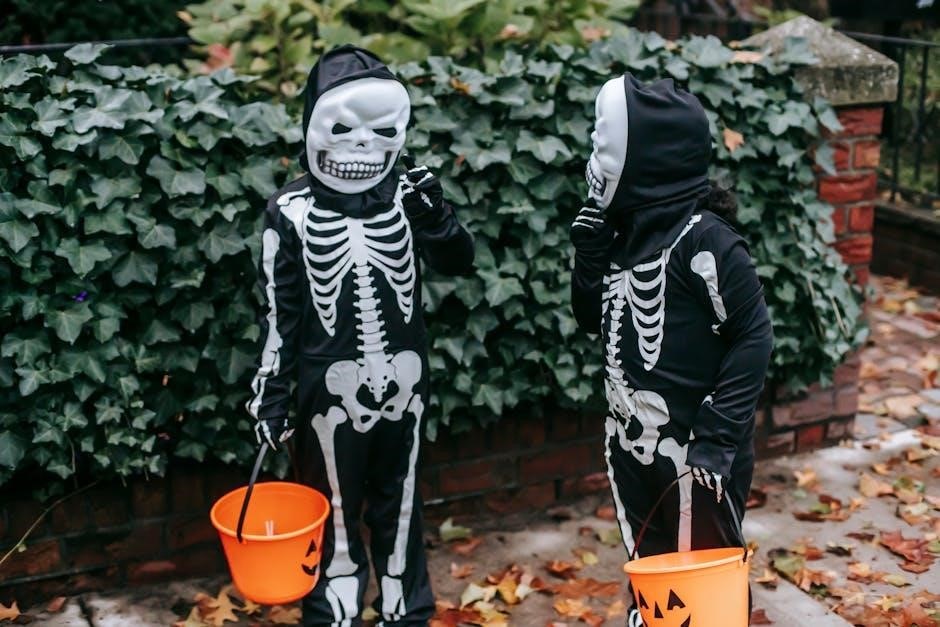
Avoid any form of “tricking” or disruptive behavior at homes that don’t participate․ Respectfully move on without complaint․ Good etiquette also extends to group dynamics․ Children should avoid running on lawns or blocking walkways, ensuring the safety of themselves and others․
Parents play a vital role in modeling appropriate behavior․ Supervising children, reinforcing polite greetings, and ensuring they express sincere thanks are essential․ If a neighborhood isn’t particularly welcoming, consider alternative options like community events or visiting friends and family․ Remember, a positive experience for everyone involved is the ultimate goal․
The Core Principle: Respectful Interaction
The foundation of successful trick-or-treating rests upon respectful interaction with homeowners․ This extends beyond simply saying “thank you․” It encompasses a mindful approach to each encounter, acknowledging the homeowner’s generosity – or their choice not to participate․
Politeness begins with a clear and audible greeting․ Children should make eye contact and express their enthusiasm respectfully․ Avoid demanding language or entitled behavior․ Remember, offering treats is a voluntary act of kindness․ Accepting treats with grace and gratitude demonstrates good manners․
Crucially, respectful interaction means accepting a “no” graciously․ If a house isn’t participating, avoid any attempts to persuade the homeowner or engage in disruptive behavior․ Move on quietly and respectfully․ Parents should reinforce this principle, modeling appropriate behavior and explaining the importance of respecting others’ choices․ A positive attitude and considerate demeanor will ensure a pleasant experience for everyone involved․
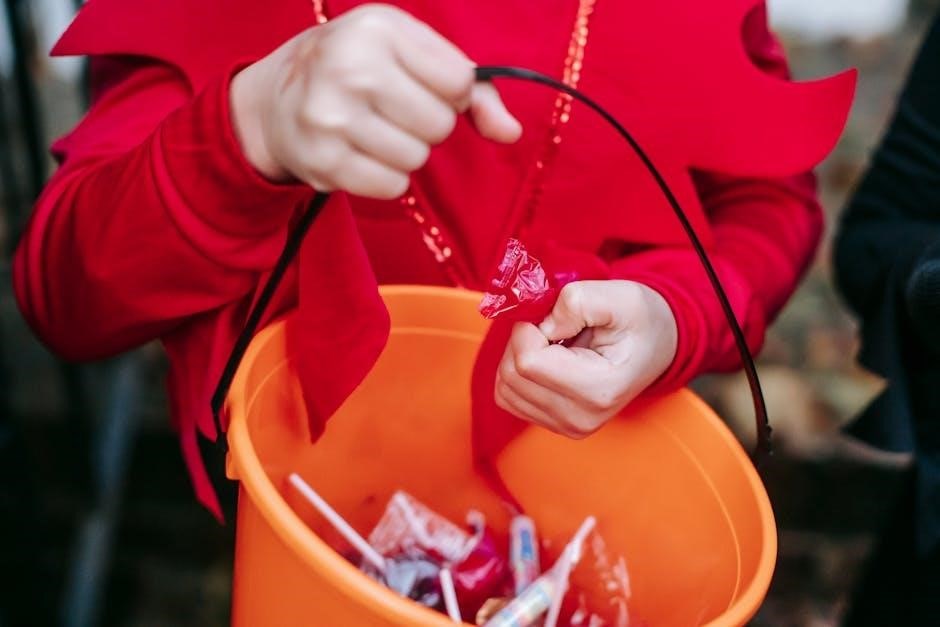
Timing is Key: When to Start and End
Establishing appropriate trick-or-treating hours is vital for a smooth and enjoyable Halloween experience․ Uncertainty about acceptable start times can lead to awkward encounters, so clarity is essential․ Many communities establish designated trick-or-treating hours, often publicized locally․
Generally, beginning trick-or-treating shortly after dusk is considered customary․ Avoid starting too early, as residents may still be preparing for the evening or finishing dinner․ Conversely, ending too late can disrupt neighborhoods and potentially compromise safety․
If no official hours are specified, a reasonable timeframe is typically between 5:30 PM and 8:30 PM․ Parents should be mindful of younger children’s bedtimes and adjust accordingly․ If venturing into unfamiliar neighborhoods, researching local customs beforehand is advisable․ Respecting these unwritten rules demonstrates consideration for homeowners and ensures a harmonious Halloween for all․
Acceptable Trick-or-Treating Hours
Determining the appropriate timeframe for trick-or-treating hinges on local customs and community guidelines․ While a universal standard doesn’t exist, a common practice is to begin shortly after dusk, allowing homeowners sufficient time to prepare․ Starting too early can be disruptive, while extending too late may infringe upon residents’ peace․
Typically, trick-or-treating falls within the window of 5:30 PM to 8:30 PM, though this can vary․ Checking for officially designated hours announced by the town or neighborhood association is always recommended․ These guidelines ensure a coordinated and safe experience for everyone involved․
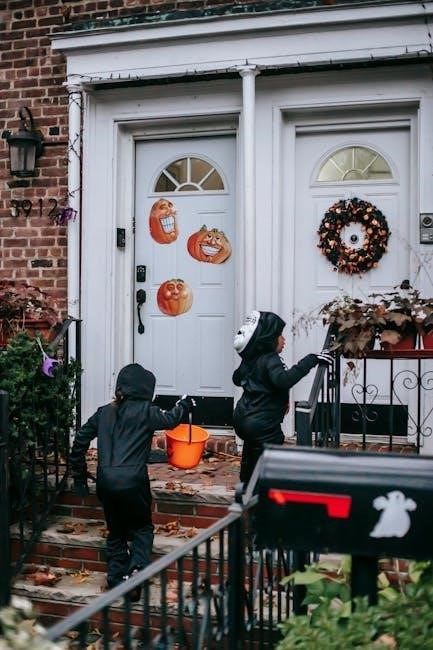
Parents should consider their children’s ages and bedtimes when planning the route․ Younger children may tire quickly, necessitating an earlier end time․ Respecting these boundaries demonstrates consideration for both trick-or-treaters and homeowners․ Adhering to established or reasonable hours fosters a positive and enjoyable Halloween atmosphere for the entire community․
Navigating Neighborhoods: Safe and Welcoming Areas
Selecting a safe and welcoming neighborhood is paramount for a positive trick-or-treating experience․ Prioritize areas with well-lit streets and sidewalks, minimizing potential hazards․ Familiar neighborhoods, where children are known and recognized, often provide a greater sense of security․
If venturing into unfamiliar territory, consider neighborhoods known for their family-friendly atmosphere․ Look for signs of active community engagement, such as decorated homes and visible participation in Halloween festivities․ Community events, often organized by towns, offer designated trick-or-treating zones with increased safety measures․
Avoid areas with heavy traffic or limited pedestrian access․ Parents should scout the route beforehand, identifying potential risks and planning accordingly․ If a neighborhood feels unwelcoming or unsafe, it’s perfectly acceptable to choose an alternative location, perhaps a friend’s block or a designated community event․ Prioritizing safety and comfort ensures a fun and memorable Halloween for everyone․
Identifying Kid-Friendly Locations
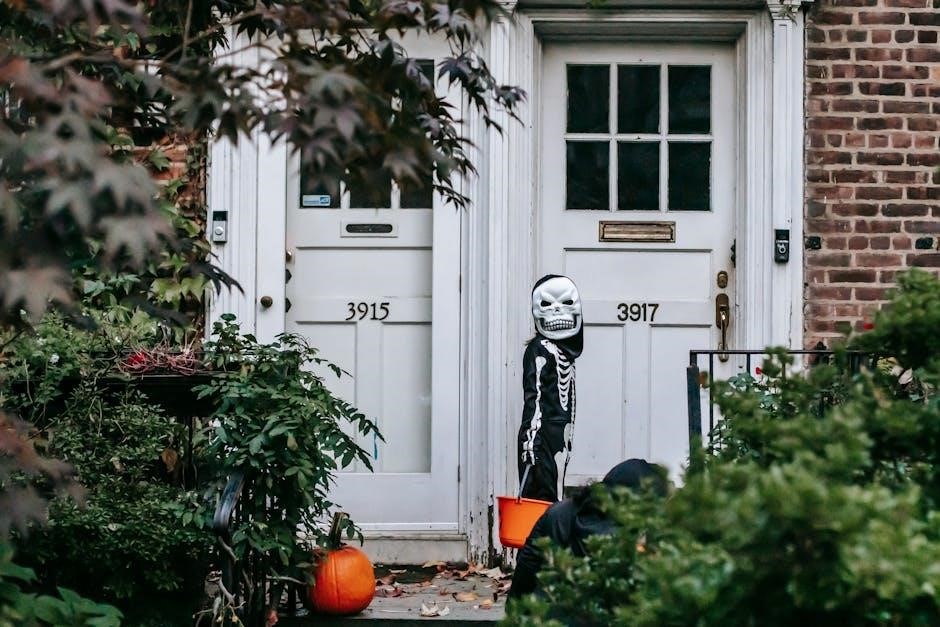
Determining which houses are likely to participate and welcome trick-or-treaters requires observation and a bit of local knowledge․ Look for visual cues – houses adorned with Halloween decorations, including pumpkins, lights, and festive displays, generally indicate a willingness to engage․
Pay attention to the presence of other trick-or-treaters․ If several children are already approaching a house, it’s a good sign that the residents are participating․ Conversely, houses with no decorations and dark exteriors may choose not to participate, and should be respectfully avoided․
Community resources can also provide valuable insights․ Local online groups or neighborhood associations may share information about which streets are known for their enthusiastic Halloween spirit․ Organized trick-or-treating events, often advertised by town authorities, guarantee a safe and welcoming environment․ Remember, respecting homeowners’ choices is crucial; avoid approaching houses that clearly signal their non-participation․
What to Say: The Proper Trick-or-Treat Greeting
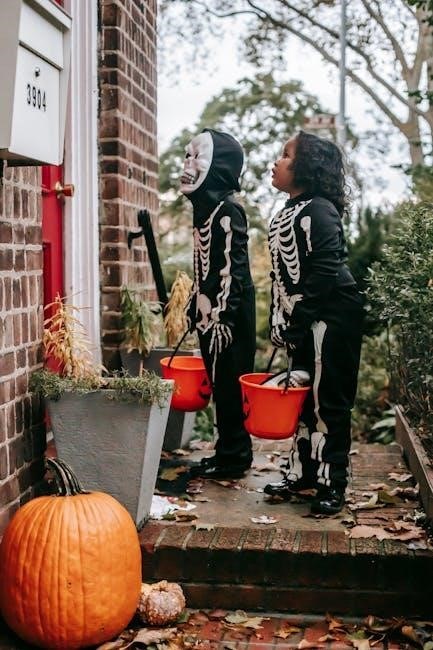
A polite and enthusiastic greeting is fundamental to good trick-or-treating etiquette․ Upon approaching a house, children should make eye contact with the homeowner and clearly state, “Trick or treat!” This traditional phrase signals their intention and initiates the exchange․
Beyond the standard greeting, a little extra politeness goes a long way․ Adding a “Happy Halloween!” or a compliment about the decorations demonstrates respect and appreciation․ Avoid demanding or entitled behavior; remember, offering treats is a gesture of generosity․
Crucially, after receiving a treat, a sincere “Thank you!” is absolutely essential․ This simple expression of gratitude acknowledges the homeowner’s kindness and reinforces positive social interactions․ Encourage children to maintain a cheerful demeanor throughout the experience, even if a house doesn’t participate․ A respectful attitude ensures a pleasant Halloween for everyone involved, fostering a sense of community spirit and goodwill․
Costume Considerations: Safety and Appropriateness
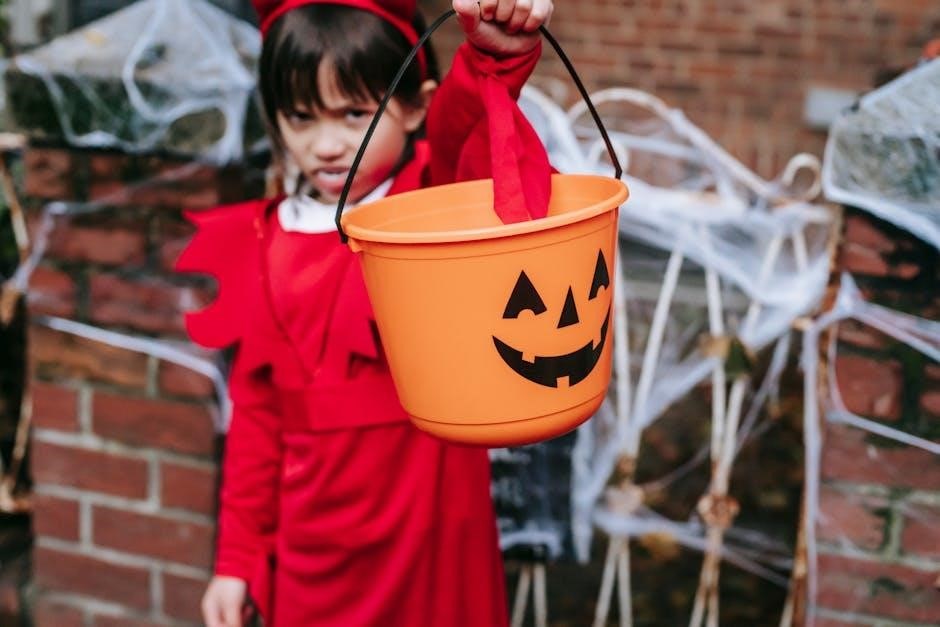
Prioritizing safety and appropriateness when selecting a costume is paramount․ Visibility is key, especially as dusk descends; costumes should incorporate reflective elements or bright colors to ensure children are easily seen by drivers․ Avoid excessively long or flowing garments that could pose a tripping hazard․
Mobility is also crucial․ Costumes should allow for comfortable walking and running, enabling quick reactions if needed․ Masks should not obstruct vision, and consider face paint as a safer alternative․ Ensure costumes fit properly to prevent falls or entanglement․
Appropriateness is equally important․ Costumes should be respectful and avoid potentially offensive or frightening themes․ Consider the age and maturity level of the child when making selections․ Avoid props that resemble weapons, even if they are part of a costume, as they can cause alarm․ A thoughtful costume choice contributes to a safe and enjoyable Halloween experience for everyone․
Visibility and Mobility in Costumes
Ensuring trick-or-treaters are visible and mobile is critical for a safe Halloween․ As darkness falls, incorporating reflective tape or glow sticks into costumes dramatically increases visibility to motorists․ Brightly colored costumes are also preferable to darker shades․ Consider carrying a flashlight or wearing a headlamp to further enhance visibility․
Mobility is equally important․ Costumes should allow for free and unhindered movement․ Avoid excessively long robes, oversized shoes, or cumbersome props that could cause trips and falls․ Masks should fit securely and provide a wide field of vision; alternatively, face paint offers a safer alternative without obstructing sightlines․
Regularly check costume components for potential hazards throughout the evening․ Ensure shoes are securely fastened and that any accessories do not impede walking․ Prioritizing both visibility and mobility minimizes risks and allows children to enjoy trick-or-treating with confidence and safety․
The “Treat” Component: Expectations and Gratitude
The exchange of treats is central to the trick-or-treating experience, fostering a spirit of generosity and community․ While receiving candy is exciting, it’s crucial to instill in children realistic expectations․ Not every house participates, and the quantity of treats may vary․

However, regardless of the treat received – or not received – a sincere “thank you” is paramount․ This simple expression of gratitude demonstrates respect for the homeowner’s effort and participation․ A polite greeting and a heartfelt thank you acknowledge the kindness extended, reinforcing positive social interactions․
Parents should emphasize that trick-or-treating isn’t about maximizing candy collection; it’s about enjoying the festive atmosphere and engaging with neighbors․ Teaching children to appreciate the gesture, even without a substantial treat, cultivates good manners and a sense of appreciation․ This crucial step ensures a positive experience for both trick-or-treaters and those offering treats․
Saying “Thank You” – A Crucial Step
A sincere “thank you” is arguably the most important element of trick-or-treating etiquette․ It’s a fundamental expression of gratitude that acknowledges the homeowner’s willingness to participate in the tradition and share treats with young visitors․ This simple act transforms a transaction into a positive social interaction․
Children should be instructed to make eye contact and offer a clear, audible “thank you” immediately after receiving a treat․ A mumbled or absent acknowledgment can be perceived as rude and disrespectful․ Parents should model this behavior, offering their own thanks to homeowners as well․
Beyond the verbal expression, a smile and polite demeanor further enhance the gesture․ It demonstrates genuine appreciation and reinforces the positive spirit of Halloween․ Teaching children to express gratitude consistently, not just during trick-or-treating, instills valuable life lessons about respect and kindness․ It’s a small act with a significant impact, fostering goodwill within the community․
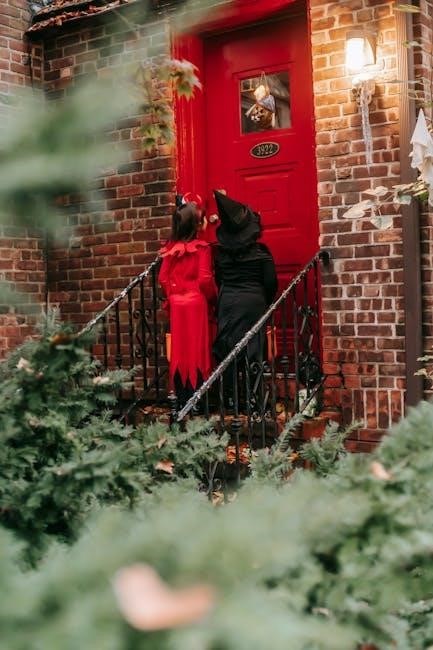
Dealing with Houses That Don’t Participate
Not every home will be illuminated and offering treats on Halloween night, and it’s crucial to prepare children for this possibility․ A house with lights off, or a clear indication of non-participation, should be respectfully bypassed․ It’s vital to emphasize that homeowners have the right to choose whether or not to engage in trick-or-treating, and their decision should be honored․
Under no circumstances should children attempt to “trick” a house that isn’t participating․ This includes knocking repeatedly, ringing the doorbell incessantly, or engaging in any disruptive behavior․ Such actions are disrespectful, potentially frightening to residents, and completely undermine the spirit of good manners that Halloween should embody․
Explain to children that there are various reasons why a house might not participate – perhaps the residents are unwell, away, or simply prefer not to be disturbed․ Emphasize that respecting their privacy is paramount․ Instead of focusing on houses that aren’t giving treats, encourage children to appreciate the generosity of those who are․
Avoiding “Tricking” – Maintaining Respect
The historical element of “tricking”, stemming from earlier traditions, has largely faded and should not be practiced in modern trick-or-treating․ Any form of mischievous behavior directed at homes that don’t participate is unacceptable and counterproductive to a positive Halloween experience․
This means absolutely no vandalism, egging, toilet papering, or any other disruptive acts․ Such actions are not only disrespectful but can also be illegal, leading to consequences for both the children involved and their parents․ The focus should remain on polite requests for treats and expressing gratitude for those received․
Reinforce the idea that a “no” from a homeowner is a complete answer and should be accepted graciously․ Children should understand that participation is voluntary, and pressuring or attempting to coerce residents is inappropriate․ Maintaining a respectful demeanor, even when encountering a house that doesn’t offer candy, demonstrates good character and contributes to a safe and enjoyable Halloween for everyone involved․ Emphasize kindness and consideration above all else․

Group Dynamics: Trick-or-Treating with Friends
Trick-or-treating is often more fun with friends, but it requires a bit of coordination and consideration․ Groups should agree on a pace that accommodates everyone, ensuring no one feels rushed or left behind․ A designated leader can help navigate the neighborhood and keep the group together․
It’s crucial to establish clear expectations regarding behavior․ All members of the group should adhere to the same standards of politeness and respect, avoiding boisterousness or disruptive conduct that could disturb residents․ Ensure everyone understands the importance of waiting their turn and speaking clearly when requesting treats․
Parents should discuss safety protocols with the group beforehand, including designated meeting points and emergency contact information․ Groups should stick to well-lit and familiar streets, and avoid entering anyone’s home․ Remind children to be mindful of their friends’ costumes and ensure everyone can move comfortably and safely․ A cooperative spirit enhances the experience for all involved, fostering positive memories and responsible behavior․
Parental Supervision: Ensuring Safety and Good Manners
Active parental involvement is paramount for a safe and enjoyable trick-or-treating experience․ For younger children, direct accompaniment is essential, ensuring they navigate streets responsibly and interact politely with homeowners․ Even with older, more independent children, maintaining visibility and establishing clear boundaries are crucial․
Parents should pre-plan the route, sticking to well-lit, familiar neighborhoods․ Discuss safety rules – never enter a stranger’s home, avoid crossing streets without looking, and remain aware of surroundings․ Reinforce the importance of respectful behavior: saying “please” and “thank you,” and avoiding any disruptive or “tricking” behavior at houses that don’t participate․
Supervision extends to costume inspection․ Ensure costumes are visible, don’t impede movement, and are appropriate for the occasion․ Parents should also be prepared to address any unexpected situations, offering guidance and support․ By actively participating, parents model good manners and ensure a positive experience for their children and the community․
Modern Variations and Community Events
Trick-or-treating is evolving beyond traditional door-to-door visits․ Many communities now host organized events, offering safe and controlled environments for children to enjoy the festivities․ These can range from “trunk-or-treat” gatherings in parking lots to Halloween festivals with games, activities, and designated trick-or-treating zones․
These events provide alternatives for neighborhoods that may not be conducive to traditional trick-or-treating, or for families seeking a more structured experience․ Checking local listings for community events is highly recommended, especially if your area isn’t particularly “kid-friendly․” Some towns even establish specific trick-or-treating hours, promoting a coordinated and safe approach․
Furthermore, variations like “reverse trick-or-treating,” where children offer treats to neighbors, are gaining popularity, fostering community spirit․ Participating in these modern adaptations, or attending organized events, can enhance the Halloween experience while prioritizing safety and inclusivity․ It’s a shift towards communal celebration alongside the classic tradition․
Don’t be *that* house! The New York Times shares genius tips for a safe & fun Halloween. Level up your trick-or-treating game with these instructions!