ryobi pressure washer manual
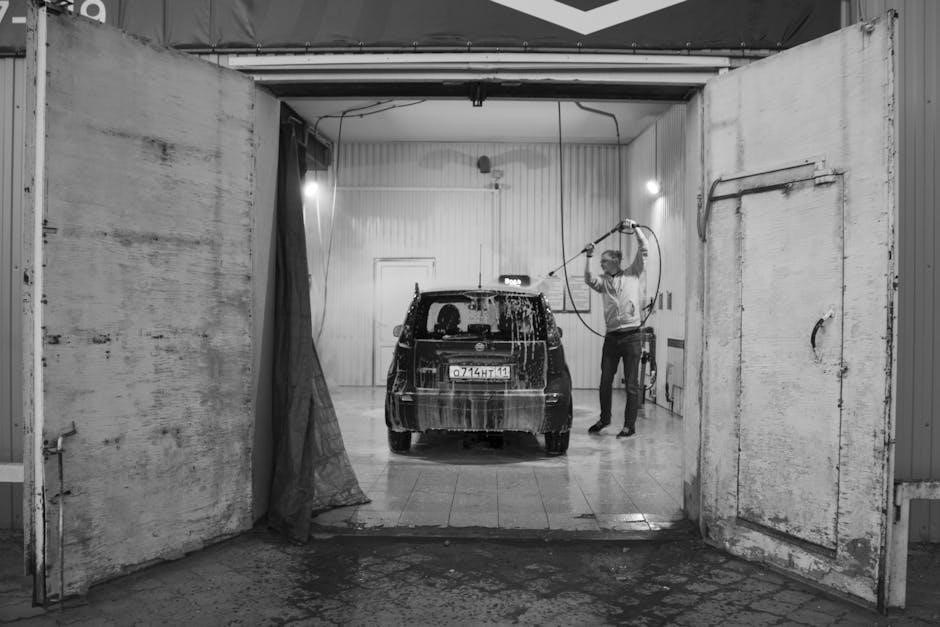
Ryobi Pressure Washer Manual: A Comprehensive Guide
Ryobi delivers powerful cleaning solutions with its 2000 psi pressure washers, boasting a 13 Amp motor and versatile accessories for diverse tasks around your home.
Ryobi pressure washers represent a commitment to powerful and accessible cleaning solutions for homeowners. Engineered to tackle a wide range of outdoor tasks, from revitalizing driveways and decks to washing windows and siding, these washers combine performance with user-friendly design. The 2000 psi models, driven by a robust 13 Amp electric motor, deliver substantial cleaning force.
Ryobi’s dedication extends beyond power; their ONE+ system allows for cordless convenience across a vast range of tools, including pressure washers. This means a single battery can power multiple devices, simplifying your toolkit and reducing costs. With a growing selection of nozzles and accessories, Ryobi pressure washers adapt to various cleaning needs, offering versatility and efficiency for every project. They are a leading DIY brand, focused on innovation and value.
Understanding Your Ryobi Pressure Washer Model
Ryobi offers a diverse lineup of pressure washers, but many utilize the 18V ONE+ battery system, providing cordless freedom and compatibility with over 200 tools. Key components include the motor, pump, high-pressure hose, spray gun, and various nozzles. Familiarize yourself with the location of the power switch, pressure adjustment dial, and detergent tank.
Understanding the PSI (pounds per square inch) rating is crucial; 2000 psi models are suitable for most household tasks. The GPM (gallons per minute) indicates water flow. Ryobi’s saws, drills, and other tools share this battery platform, enhancing convenience. Refer to your specific model’s documentation for detailed diagrams and specifications to maximize performance and ensure safe operation.
Safety Precautions and Warnings
Always disconnect the power source and water supply before servicing or changing accessories. Never point the spray wand at yourself or others. Wear safety glasses or goggles to protect your eyes from debris. Avoid spraying electrical outlets or wiring. Ensure the work area is well-ventilated when using detergents.
High-pressure water can cause serious injury; maintain a safe distance. Do not modify the pressure washer in any way. Inspect the hose for damage before each use. Ryobi tools, including pressure washers, require careful handling. Keep children and pets away during operation. Refer to the full manual for comprehensive safety guidelines and warnings to prevent accidents and ensure responsible use.

Assembly and Setup
Proper assembly involves unboxing components, securely connecting the water supply, and firmly attaching desired nozzles and accessories for optimal performance and safe operation.
Unboxing and Component Identification
Carefully remove your Ryobi pressure washer and all included components from the packaging. Verify that all listed parts are present, referencing the parts diagram in this manual. Key components typically include the pressure washer unit itself, a high-pressure hose, a trigger gun, various nozzles (often including a turbo nozzle and soap applicator), and potentially an extension wand or surface cleaner.
Inspect each part for any shipping damage before proceeding. The trigger gun connects to the high-pressure hose, which then connects to the pressure washer unit. Familiarize yourself with the location of the water inlet and detergent tank (if applicable). Retain the packaging and manual for future reference, warranty claims, or potential returns. Proper identification of each component is crucial for correct assembly and operation.
Connecting the Water Supply
Before operation, securely connect a standard garden hose to the water inlet on your Ryobi pressure washer. Ensure the hose is fully extended and free of kinks to maintain consistent water flow. A water filter (often included) should be installed on the hose inlet to prevent debris from entering the pump;
Turn on the water supply fully before powering on the pressure washer; this prevents pump damage. Check for leaks at the connection point. The water pressure must be within the range specified in the manual – typically 20-80 PSI. Never draw water from a source contaminated with oil or chemicals. Proper water supply connection is vital for optimal performance and longevity of your pressure washer.
Attaching Nozzles and Accessories
Ryobi pressure washers utilize a quick-connect system for easy nozzle and accessory attachment. Ensure the pressure washer is switched off and the water supply is disconnected before changing nozzles. Align the nozzle or accessory with the wand connector and firmly push until it clicks into place.
Different nozzles provide varying spray patterns – from wide-angle for gentle cleaning to narrow-angle for concentrated power. Accessories like surface cleaners and detergent tanks connect similarly. Always refer to the manual for specific accessory instructions. Verify a secure connection before operation to prevent accidental detachment during use, which could cause injury or damage.

Operating Instructions
Ryobi pressure washers are straightforward to operate; connect water, power on, select pressure, and choose a nozzle for effective cleaning of various surfaces.
Powering On and Off
Before starting your Ryobi pressure washer, ensure all connections are secure – water supply and chosen nozzle. Locate the power switch, typically found on the main unit. For models with a trigger gun, the power switch often activates the motor when the trigger is engaged. Press and hold the trigger to initiate operation; release it to stop water flow, but the motor may continue running on some models.
For units with a separate power switch, move it to the “On” position. Always allow the pressure washer to fully pressurize before use. To power off, release the trigger (if applicable) and then switch the main power switch to the “Off” position. Disconnect the water supply and store the unit appropriately after each use to prevent damage and ensure longevity. Never leave a running pressure washer unattended.
Adjusting Pressure Settings
Ryobi pressure washers often feature adjustable pressure settings, allowing you to tailor the cleaning force to the task at hand. These adjustments are typically made via a pressure regulator dial or by changing nozzles. Lower pressure settings are ideal for delicate surfaces like windows or painted siding, preventing damage. Higher settings are suitable for tougher jobs like driveways and concrete.
Experiment with different settings on an inconspicuous area first to determine the optimal pressure. Always start with the lowest setting and gradually increase it until you achieve the desired cleaning result. Refer to your specific model’s manual for detailed instructions on locating and operating the pressure adjustment controls. Incorrect pressure can cause damage, so careful adjustment is crucial.
Using Different Nozzles for Various Tasks
Ryobi pressure washers come with a variety of nozzles, each designed for specific cleaning applications. A 0-degree nozzle delivers a concentrated stream for stubborn dirt, but use it cautiously to avoid damage. A 15-degree nozzle is good for general cleaning of hard surfaces. A 25-degree nozzle is ideal for more delicate surfaces like siding or painted wood;
Soap nozzles create a low-pressure spray for applying detergents. Always consult your manual for nozzle compatibility and recommended uses. Switching nozzles is usually a simple process, involving a quick-connect mechanism. Selecting the correct nozzle ensures effective cleaning without causing harm to the surface being cleaned.
Maintenance and Care
Regular upkeep, including cleaning and winterizing, extends the life of your Ryobi pressure washer, ensuring optimal performance and preventing potential issues.
Cleaning the Pressure Washer
After each use, thoroughly flush the Ryobi pressure washer with clean water to remove any remaining detergent or debris; Disconnect the water supply and trigger the spray gun to expel residual water from the hose and pump. Wipe down the exterior surfaces of the unit with a damp cloth to prevent buildup. Pay close attention to the nozzles, ensuring they are free from clogs – a small pin can be useful for clearing obstructions. Inspect the detergent tank and rinse it thoroughly if soap was used. Proper cleaning not only maintains performance but also prevents corrosion and extends the lifespan of your pressure washer. Store the unit in a dry, protected area, away from freezing temperatures.
Winterizing Your Pressure Washer
Before storing your Ryobi pressure washer for the winter, crucial steps must be taken to prevent freeze damage. First, disconnect the water supply and drain all remaining water from the pump, hose, and wand. Use a pump saver kit, readily available, to circulate antifreeze through the pump, protecting internal components. Empty and thoroughly rinse the detergent tank. Detach and store nozzles and accessories in a dry location. Consider applying a silicone lubricant to O-rings and seals. Store the pressure washer indoors, in a frost-free environment, covered to protect it from dust and debris. Proper winterization ensures reliable operation next spring.
Nozzle Cleaning and Maintenance
Regular nozzle cleaning is vital for optimal Ryobi pressure washer performance. Over time, mineral deposits and debris can clog nozzle openings, reducing pressure and spray pattern quality. To clean, disconnect the nozzle and inspect for blockages. Use a thin wire or nozzle cleaning tool to carefully remove obstructions – avoid enlarging the orifice. Soaking the nozzle in vinegar or a descaling solution can dissolve stubborn buildup. Rinse thoroughly with water before reattaching. Inspect nozzles for wear and tear; replace damaged nozzles promptly. Proper nozzle maintenance ensures consistent cleaning power and extends the lifespan of your pressure washer.
Troubleshooting Common Issues
Addressing problems like startup failures, low pressure, or leaks ensures your Ryobi pressure washer operates efficiently, saving time and preventing further damage.
Pressure Washer Not Starting
If your Ryobi pressure washer fails to start, begin by verifying the power source – ensure a functioning outlet and that the power cord is securely connected. Next, check the circuit breaker or fuse box for any tripped breakers or blown fuses. Confirm the water supply is fully turned on, as many models have a low-pressure safety switch that prevents operation without water flow.
Inspect the on/off switch for damage and ensure it’s in the ‘on’ position. A clogged nozzle can also prevent startup; detach and clean it. If the motor hums but doesn’t turn, there might be an issue with the motor itself, requiring professional service. Always disconnect the power before inspecting or cleaning any components. Refer to your specific model’s manual for detailed troubleshooting steps.
Low Pressure Output
Experiencing low pressure from your Ryobi pressure washer often indicates a blockage. First, check the nozzle for clogs – remove it and clear any debris with a fine wire or nozzle cleaning tool. Inspect the water inlet filter for obstructions and clean it thoroughly. Ensure the water supply hose isn’t kinked or restricted, and that the water source provides adequate pressure;
A partially closed spray wand adjustment can also limit pressure; fully open it. If the issue persists, examine the high-pressure hose for damage or kinks. Air in the system can temporarily reduce pressure; trigger the gun to purge air. If problems continue, a faulty pump or motor might be the cause, requiring professional repair.
Water Leaks and How to Fix Them
Water leaks in your Ryobi pressure washer can stem from several areas. First, check all hose connections – ensure they are tightly secured and the O-rings are properly seated. Inspect the spray gun and wand for cracks or damage, replacing them if necessary. Examine the pump and motor housing for any visible leaks, which may indicate internal seal failure.
Loose fittings are common culprits; tighten them carefully. If a leak persists at a connection, try replacing the O-ring or using Teflon tape. For pump leaks, professional repair is often required. Never operate the pressure washer with significant leaks, as it can cause damage and pose a safety hazard.

Ryobi Pressure Washer Accessories
Ryobi offers diverse accessories like specialized nozzles, detergent tanks, extension wands, and surface cleaners to enhance your pressure washing experience and tackle varied cleaning jobs.
Nozzle Types and Their Applications
Ryobi pressure washers utilize a variety of nozzles, each designed for specific cleaning applications. The 0-degree nozzle delivers a concentrated, powerful stream ideal for stubborn, stuck-on dirt and grime, but requires caution to avoid damage. A 15-degree nozzle offers a more moderate spray pattern, suitable for general cleaning of surfaces like driveways and patios. The 25-degree nozzle provides a wider spray, perfect for washing cars and delicate surfaces.
A 40-degree nozzle is excellent for rinsing and applying soap, while the soap nozzle creates a low-pressure, foamy spray for effective detergent application. Finally, a turbo nozzle combines the power of a 0-degree nozzle with a rotating action, increasing cleaning efficiency. Understanding these differences allows you to select the optimal nozzle for each task, maximizing cleaning performance and protecting surfaces from potential damage.
Detergent Tanks and Soap Application
Ryobi pressure washers often feature integrated detergent tanks for convenient soap application during cleaning. These tanks allow you to mix detergents with water, creating a cleaning solution that enhances the pressure washer’s effectiveness. Ensure you use detergents specifically formulated for pressure washers to avoid damage to the pump or other components.
To apply soap, select the appropriate soap nozzle (typically a wider spray pattern) and adjust the detergent flow rate using the built-in control. Begin with a lower flow rate and increase as needed. Applying detergent before rinsing allows the solution to dwell and loosen dirt. Always rinse thoroughly after soap application to prevent residue buildup and streaking on surfaces. Proper detergent use significantly boosts cleaning power.
Extension Wands and Surface Cleaners
Ryobi offers extension wands to increase the reach of your pressure washer, ideal for cleaning elevated surfaces like gutters or hard-to-reach areas under decks. These wands connect to the pressure washer’s lance, extending its cleaning range. Surface cleaners, another valuable accessory, are designed for cleaning large, flat surfaces like driveways and patios efficiently.
Surface cleaners feature rotating spray bars within a protective housing, preventing spray splatter and delivering consistent cleaning power. They connect directly to the pressure washer and glide across the surface, removing dirt and grime quickly. Using these attachments expands the versatility of your Ryobi pressure washer, making various cleaning tasks easier and faster.

Advanced Features and Tips
Ryobi’s ONE system powers over 200 tools with a single battery, offering convenience for homeowners tackling various projects with cordless freedom.
Using a Surface Cleaner Effectively
Ryobi surface cleaners dramatically reduce cleaning times on patios, driveways, and decks. These attachments feature rotating spray bars that deliver consistent, even cleaning power, preventing streaking often associated with standard nozzles. Begin by connecting the surface cleaner to your Ryobi pressure washer, ensuring a secure fit.
Always test a small, inconspicuous area first to gauge the cleaner’s effectiveness and prevent damage. Maintain a consistent sweeping motion, overlapping each pass slightly for complete coverage. Adjust the pressure settings on your pressure washer to suit the surface material – lower settings for delicate surfaces like painted concrete, and higher settings for tougher grime on concrete or stone. Regularly inspect the cleaner’s spray bars for clogs and clean them as needed to maintain optimal performance. Proper technique maximizes cleaning efficiency and extends the life of both the surface cleaner and your pressure washer.
Optimizing Detergent Usage
Ryobi pressure washers often include a detergent tank for applying cleaning solutions. To optimize usage, always use Ryobi-approved detergents specifically formulated for pressure washers, as others can cause damage or reduce performance. Begin by filling the detergent tank with the appropriate concentration of detergent, following the manufacturer’s instructions.
Adjust the detergent flow rate on your pressure washer to match the cleaning task – lower settings for light cleaning, higher settings for heavy-duty grime. Avoid using excessive detergent, as it can leave residue and require additional rinsing. Pre-soaking heavily soiled areas with detergent before pressure washing can significantly improve cleaning results. Regularly flush the detergent tank and hose to prevent clogs and ensure consistent performance. Proper detergent usage enhances cleaning power and protects your equipment.
Extending the Life of Your Pressure Washer
Ryobi pressure washers are durable, but proper care is crucial for longevity. After each use, thoroughly flush the pump with clean water to remove detergent residue and prevent corrosion. Store the unit in a dry, frost-free environment, especially during winter months, to avoid freezing damage.
Regularly inspect hoses and connections for wear and tear, replacing them as needed. Avoid kinking or bending hoses sharply. Clean nozzles frequently to maintain optimal spray patterns. Utilize Ryobi’s winterizing kit or follow the manual’s instructions for proper winter storage, which typically involves pump protector. Consistent maintenance, combined with careful operation, will ensure years of reliable performance from your Ryobi pressure washer.

Warranty Information and Support
Ryobi offers warranties on its pressure washers, and customer support is readily available online or by phone for assistance and replacement parts.
Ryobi Warranty Details
Ryobi stands behind its pressure washers with a comprehensive warranty program designed to provide peace of mind to its customers. Typically, Ryobi offers a standard three-year limited warranty on the entire pressure washer unit, covering defects in materials and workmanship from the date of purchase. This warranty extends to both parts and labor, ensuring that any necessary repairs or replacements are handled without additional cost to the owner.
However, certain components, such as hoses and nozzles, may have a shorter warranty period, often one year. It’s crucial to register your Ryobi pressure washer online after purchase to activate the warranty and streamline any future claims. The warranty does not cover damage resulting from misuse, abuse, normal wear and tear, or improper maintenance. Proof of purchase is always required when submitting a warranty claim.
Contacting Ryobi Customer Support
Ryobi provides multiple avenues for customers needing assistance with their pressure washers. For immediate support, their dedicated customer service hotline is available during business hours. You can find the current phone number on the official Ryobi website, typically listed under the “Support” or “Contact Us” section. Alternatively, Ryobi offers extensive online resources, including a detailed FAQ section, troubleshooting guides, and downloadable manuals for various models.
Customers can also submit inquiries through the Ryobi website’s online contact form, receiving a response from a support representative within a specified timeframe. Social media channels, like Facebook and Twitter, are also monitored for customer questions and concerns. When contacting support, having your model number and purchase date readily available will expedite the assistance process.
Finding Replacement Parts
Ryobi makes sourcing replacement parts for your pressure washer relatively straightforward. The primary method is through the official Ryobi website, which features a comprehensive parts diagram lookup tool. By entering your specific model number, you can identify and order the exact components needed for repairs, such as nozzles, hoses, pumps, or trigger guns.
Additionally, many authorized Ryobi retailers, both online and brick-and-mortar stores, stock common replacement parts. Third-party parts suppliers also offer compatible components, but verifying compatibility is crucial. When ordering, always double-check the part number to ensure a proper fit and function. Maintaining a record of your pressure washer’s model number simplifies this process significantly.
Lost your Ryobi pressure washer manual? Don’t sweat it! We’ve got a huge collection of free, downloadable manuals for all models. Get cleaning! **Ryobi pressure washer manual** access is simple.