2021 rav4 maintenance schedule pdf

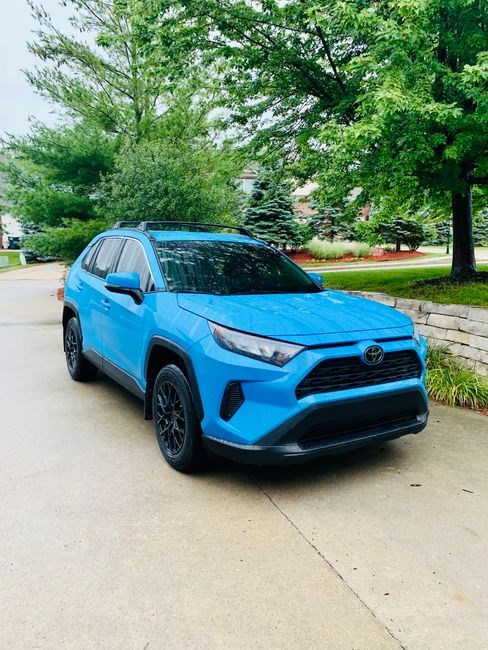
Explore the 2021 Toyota RAV4 maintenance schedule pdf, detailing oil changes, fluid checks, and filter replacements․ Follow manufacturer intervals for optimal performance and longevity․ Download the PDF for precise timing and keep your vehicle running smoothly․ Check the PDF for exact mileage intervals․ (Guide)
Fluid Maintenance
According to the 2021 Toyota RAV4 maintenance schedule PDF, the vehicle’s fluid maintenance program is designed to preserve engine health, drivetrain efficiency, and safety․ Engine oil should be changed every 5,000 miles or 6 months, whichever comes first, using 0W‑20 synthetic blend․ The oil filter must be replaced at each oil change․ Transmission fluid is recommended for replacement every 30,000 miles or 48 months, with a check for level and color at each service interval․ Coolant (antifreeze) should be flushed and refilled every 60,000 miles or 72 months; a coolant level check is required at every oil change․ Brake fluid is to be inspected and replaced every 30,000 miles or 36 months to maintain hydraulic pressure and prevent corrosion․ Power steering fluid should be checked for level and condition at each oil change and replaced if it appears dark or contains debris․ The front differential fluid is only required for the AWD model and should be inspected at 60,000 miles․ All fluid changes should be performed with the engine warm to ensure proper drainage and to avoid air pockets․ The PDF also recommends using OEM‑approved fluids to guarantee compatibility and warranty compliance․ By adhering to these intervals, owners can avoid costly repairs, improve fuel economy, and extend the life of critical components․ For detailed instructions, reference the official 2021 RAV4 maintenance schedule PDF available on Toyota’s website or through authorized dealers․ Keep fluid levels within limits․!! Check fluid levels before each long trip now!

Filter Replacement
The 2021 Toyota RAV4 maintenance schedule PDF specifies precise intervals for replacing various filters to ensure optimal engine performance, cabin comfort, and fuel efficiency․ The engine oil filter must be replaced at every oil change, which occurs every 5,000 miles or six months, whichever comes first․ The cabin air filter is scheduled for replacement every 15,000 miles or 18 months, with a visual inspection recommended at each oil change․ The fuel filter, while not routinely specified for the standard RAV4, should be inspected at 30,000 miles to detect any clogging that could affect fuel delivery․ For models equipped with a particulate filter or diesel particulate filter, a filter regeneration procedure is required every 20,000 miles or 24 months․ The maintenance manual also advises checking the condition of the HVAC filter at each cabin filter change and replacing it if it appears dirty or clogged․ Proper filter replacement reduces wear on the engine, improves air quality inside the vehicle, and helps maintain the vehicle’s resale value․ All filter replacements should use OEM‑approved parts to meet Toyota’s quality standards․ Follow the schedule closely to avoid costly repairs and ensure a smooth driving experience; Owners should also consult the vehicle’s owner manual for any model‑specific filter recommendations, as certain trim levels may have requirements․ Regular filter maintenance not only preserves engine longevity but also enhances cabin air quality, ensuring a healthier driving environment for occupants․ By adhering to prescribed intervals, can avoid repairs and maintain optimal vehicle performance throughout RAV4’s lifespan․

Brake System Check
The 2021 Toyota RAV4 maintenance schedule PDF outlines a comprehensive brake system inspection routine designed to preserve safety and extend component life․ At every 10,000‑mile service interval, the brake fluid should be checked for level and contamination, and replaced if it shows a metallic tint or has reached the 24‑month limit․ The brake pads and rotors are inspected visually for wear; the manufacturer recommends replacing pads when the remaining thickness falls below 3 mm, and rotating or resurfacing rotors if they exhibit uneven wear or scoring․ The brake lines and hoses are inspected for leaks, bulges, or cracking, and any damaged components must be replaced immediately․ ABS (anti‑lock braking system) modules and wheel‑speed sensors are tested for proper operation using a diagnostic scan tool; any fault codes should be addressed before the next drive cycle․ The parking brake lever and cable are checked for smooth engagement and adequate tension․ Additionally, the brake master cylinder’s internal seals are inspected for leaks, and the brake booster is tested for vacuum integrity․ All brake system maintenance should be performed with OEM‑approved fluids and parts to meet Toyota’s quality standards․ Following the schedule not only ensures compliance with warranty requirements but also guarantees that the RAV4’s braking performance remains reliable under all driving conditions․
Remember to document each inspection in the vehicle’s maintenance log; this record aids future service appointments and helps maintain resale value for all owners and tech today․

Tire and Alignment
According to the 2021 Toyota RAV4 maintenance schedule PDF, tire care and wheel alignment are essential for safety, fuel efficiency, and component longevity․ The schedule recommends inspecting tire tread depth and sidewall integrity at every 5,000‑mile service․ If tread depth falls below 2 mm or sidewalls show bulges, cracks, or punctures, replacement is required․ Tire pressure should be checked monthly and adjusted to the manufacturer’s specified psi, typically 32 psi for the front and 30 psi for the rear, to maintain optimal handling and reduce uneven wear․ Rotating tires every 7,500 miles—following a front‑to‑rear, diagonal pattern—helps equalize tread wear and extends tire life․ Alignment checks are scheduled at 15,000‑mile intervals or when the vehicle exhibits steering drift, uneven tire wear, or a noticeable change in handling․ The alignment procedure includes measuring camber, caster, and toe angles, and adjusting them to the factory specifications (usually ±0․5° for camber, ±1․0° for caster, and ±0․5° for toe)․ Proper alignment reduces steering effort, improves fuel economy, and prevents premature suspension wear․ Additionally, the schedule advises inspecting suspension bushings, tie‑rod ends, and ball joints for wear or play; any damaged parts should be replaced to preserve alignment accuracy․ Maintaining tire and alignment schedules as outlined ensures the RAV4 remains safe, efficient, and reliable throughout its service life․ Wheel balancing is also part of the maintenance schedule and should be performed whenever tires are rotated or new tires are installed․ Balancing removes any weight discrepancies that could cause vibration at higher speeds․ The schedule recommends checking wheel weights at each tire change; if a wheel weight is missing or damaged, it should be replaced․ For optimal performance, the RAV4’s suspension geometry should be verified using a computerized alignment system that measures camber, caster, toe, and ride height․ The service manual lists acceptable tolerances for each parameter, and any deviation beyond these limits warrants corrective action․ Maintaining the alignment and tire schedule not only protects the vehicle’s mechanical components but also enhances driver comfort and reduces the risk of accidents caused by uneven tire wear or steering instability․ Log all service dates․ ASAP! OK

Battery and Electrical
According to the 2021 Toyota RAV4 maintenance schedule PDF, the battery and electrical system should be inspected at every 10,000‑mile interval or annually, whichever comes first․ The inspection includes checking the battery’s state of charge, measuring the voltage at the terminals, and inspecting the battery cables for corrosion or loose connections․ If the voltage drops below 12․5 V, a recharge or replacement is recommended․ The alternator output should also be verified to ensure it supplies 13․8–14․4 V under load․ The schedule advises cleaning the battery terminals with a baking‑soda solution and a wire brush, then tightening the clamps to the manufacturer’s torque specification of 30 ft‑lb․ The electrical system’s fuses and relays are inspected for signs of overheating or damage; any blown fuses should be replaced with the same amperage rating․ The vehicle’s charging system is tested using a multimeter to confirm proper voltage and current output․ Additionally, the schedule recommends checking the condition of the ignition coils, spark plugs, and wiring harnesses for wear or corrosion․ The RAV4’s charging system is tested using a multimeter to confirm proper voltage and current output․ Finally, the battery’s age should be tracked; a battery older than five years or one that has undergone more than 20 charge cycles may need replacement to maintain reliable starting performance․ Proper battery and electrical maintenance ensures dependable operation, reduces the risk of unexpected failures, and supports the vehicle’s overall longevity․
Routine checks of the vehicle’s electrical accessories—such as the headlights, taillights, turn signals, and interior lighting—are also part of the maintenance schedule․ Each light should be inspected for proper illumination and replaced if dim or non‑functional․ The RAV4’s power windows and locks should be tested for smooth operation, and any electrical faults should be diagnosed and repaired․ The battery’s coolant level, if equipped with a coolant‑cooled battery, should be checked and topped off to the recommended level․ Finally, the battery’s mounting bracket should be inspected for corrosion or damage, and any rust should be removed to prevent future electrical shorts․ These steps help maintain the vehicle’s electrical reliability and extend the battery’s service life․

Final Inspection Checklist
Verify oil level, change filter, check coolant, inspect brakes, rotate tires, align wheels, test battery, confirm all lights, and ensure fluid levels match 2021 RAV4 schedule․ Complete this checklist for optimal safety and reliability․ Check alternator, wiring, and grounds!!
Oil and Filter Change
According to the official 2021 Toyota RAV4 maintenance schedule PDF, the engine oil should be changed every 5,000 miles or 6 months, whichever comes first․ Use the manufacturer‑recommended 0W‑20 synthetic blend to maintain optimal fuel economy and engine protection․ The oil filter must be replaced at the same interval to ensure efficient filtration of contaminants and to prevent sludge buildup․ When performing the oil change, drain the old oil through the drain plug, replace the drain gasket, and reinstall the plug with the correct torque specification․ After the new oil is added, check the dipstick for proper level and top off if necessary․ It is also advisable to inspect the oil filter housing for leaks and to clean any residue that may have accumulated․ Finally, record the mileage and date in the owner’s service log to keep a reliable maintenance history․ Consistent adherence to these steps will extend engine life, improve performance, and maintain warranty coverage․ Regular oil changes help preserve the engine’s longevity and reduce the risk of costly repairs․ Using the correct oil viscosity ensures smooth lubrication and protects against wear at high temperatures․ A clean oil filter captures microscopic debris, preventing it from circulating and damaging internal components․ Always verify the oil level with the dipstick after refilling, as overfilling can cause foaming underfilling leads insufficient protection!!! Documenting each oil change in a maintenance log not only aids in warranty compliance but also provides valuable data now․
Transmission Fluid Check
For the 2021 Toyota RAV4, the transmission fluid should be inspected and replaced according to the manufacturer’s maintenance schedule․ The PDF specifies a fluid change every 60,000 miles or 72 months, whichever occurs first, for the automatic transmission․ Prior to the change, the vehicle should be warmed up and the transmission should be in neutral or park․ The fluid level is checked by removing the dipstick, wiping it clean, reinserting it fully, and then withdrawing the level․ The fluid should be clear, reddish‑brown, and free of metal shavings or a burnt odor․ Use the OEM specified transmission fluid type (typically a 75W‑90 ATF or equivalent)․ After refilling, run the engine for a few minutes, shift through all gears, and recheck the level․ Record the mileage and date in the service log․ Maintaining correct fluid level and quality prevents shifting issues and reduces wear, extending transmission life․ Follow the PDF’s recommended intervals to stay and avoid costly repairs․ Always use a clean container and also avoid cross‑contamination with other fluids․ The transmission filter should also be inspected at each change; replace if clogged or dirty and ensure proper sealing! This ensures the engine runs efficiently and protects the drivetrain and!! Keep the service records for resale value and future diagnostics․ By adhering to these guidelines, owners can detect early signs of transmission wear, prevent unexpected failures, and maintain optimal fuel efficiency, ultimately extending the vehicle’s lifespan and preserving resale value․ Details are the PDF!
Coolant Level Check
According to the 2021 Toyota RAV4 maintenance schedule PDF, the coolant system should be inspected at 30,000‑mile intervals or every 36 months, whichever comes first․ The procedure starts with the engine at operating temperature; the radiator cap is removed carefully to avoid pressure release․ The coolant level is read from the reservoir, which should sit between the minimum and maximum marks․ If the level falls below the minimum, top off with the OEM‑specified coolant—a 50/50 mix of Toyota Genuine Antifreeze/Water or a 4‑year, 50‑year, 150‑year, or 200‑year formula․ The mixture should be free of sediment, rust, or debris․ After topping off, run the engine for a few minutes, then turn the heater on to circulate the coolant․ Inspect hoses, clamps, and the radiator for leaks or cracks․ If the coolant appears discolored, contains metal shavings, or smells burnt, perform a complete flush and replacement․ Document mileage and date in the service log․ Proper coolant levels prevent overheating, protect the head gasket, and ensure efficient heat transfer, extending engine life and maintaining warranty compliance․ Follow the PDF’s recommended intervals to avoid costly repairs and keep the vehicle running reliably․ Check coolant color and clarity; a clear, reddish‑brown fluid indicates good condition, while a murky tint may signal contamination․ Ensure the reservoir is crack‑free and the cap seals properly․ If the radiator or heater core shows corrosion, consider a professional inspection․ Coolant maintenance daily up reduces the risk of engine damage from thermal expansion and contraction and supports cooling efficiency, Adhering to the manufacturer’s guidelines helps avoid breakdowns and preserves resale value․

Brake Pad Wear Assessment
According to the 2021 Toyota RAV4 maintenance schedule PDF, brake pad inspection is scheduled at every 10,000 miles or 12 months, whichever comes first․ The procedure begins by lifting the vehicle with a jack and securing it on jack stands․ Remove the wheel to expose the brake assembly․ Inspect the brake pad thickness using a caliper or a visual gauge; the manufacturer recommends a minimum thickness of 3 mm (about 0․12 inches)․ If the pad material is below this threshold, replacement is required․ Check for uneven wear patterns, which may indicate a misaligned caliper or a warped rotor․ Inspect the rotors for scoring, grooves, or excessive surface wear; a rotor diameter less than 50 mm below the original specification signals the need for resurfacing or replacement․ Verify that the brake pads are properly seated and that the backing plate is free of damage․ Examine the brake fluid reservoir for levels and contamination; the fluid should be clear and at the “MAX” line․ If the fluid appears cloudy or contains particles, a brake fluid flush is recommended․ Document the mileage and date in the service log to maintain warranty compliance․ Proper brake pad maintenance ensures optimal stopping power, reduces brake noise, and prevents premature rotor wear, thereby enhancing safety and extending component life․ Regular brake pad checks not only safeguard the vehicle’s braking system but also contribute to fuel efficiency by reducing drag from worn pads․ Adhering to the manufacturer’s schedule helps avoid costly repairs, ensures compliance with safety regulations, and provides peace of mind for drivers and passengers alike․ Always consult a certified technician if you notice any irregularities․ This proactive approach preserves vehicle integrity and prolongs overall lifespan․

Tire Rotation
According to the 2021 Toyota RAV4 maintenance schedule PDF, tire rotation is recommended every 10,000 miles or 12 months, whichever occurs first․ The rotation pattern for the RAV4 follows a front‑to‑rear, diagonal sequence to balance wear and extend tire life․ Before starting the rotation, verify that the tire pressure matches the manufacturer’s specifications listed on the door‑jamb placard; Use a calibrated pressure gauge to adjust each tire to the correct psi, typically 32 psi for the front and 30 psi for the rear, though the exact values may vary with load and driving conditions․ Next, lift the vehicle with a floor jack and secure it on jack stands to ensure safety during the procedure․ Remove the wheel nuts with a torque wrench set to the manufacturer’s recommended torque value, usually 80–90 ft‑lb, and detach the wheel․ Inspect the tire tread depth, sidewall for cuts or bulges, and the rim for damage․ After the tire is cleaned of any debris, rotate it to its new position: the front tires move to the rear on the opposite side, and the rear tires move to the front on the opposite side․ Reinstall the wheel, hand‑tighten the nuts, lower the vehicle, and then torque the nuts to the specified value․ Finally, check the tire pressure again and adjust if necessary․ Document the mileage and date in the owner’s service log․ Regular tire rotation improves traction, reduces uneven wear, and helps maintain consistent handling characteristics, thereby enhancing safety and fuel efficiency․ Adhering to the schedule also supports warranty coverage and ensures the vehicle remains in optimal condition for years to come․

After completing the rotation, it is advisable to have the wheel alignment checked if the vehicle has experienced any steering or handling issues․ Misalignment can cause rapid tire wear and affect braking performance․ Additionally, consider having the tires balanced to prevent vibration at higher speeds․ If the RAV4 has a dual‑clutch or all‑wheel‑drive system, ensure that the differential fluid is at the correct level and that the drive shafts are inspected for wear․ These complementary checks, performed in conjunction with the tire rotation, contribute to a comprehensive maintenance routine that keeps the RAV4 safe, efficient, and reliable․
Finally, always store the vehicle in a dry, shaded area to protect the tires from UV damage and keep the rubber supple․ Regularly inspect the tire sidewalls for micro‑cracks or punctures, especially after long trips or exposure to road salt․ Promptly addressing any issues will prevent blow‑outs and extend the overall lifespan of the tire set!
Wheel Alignment
Per the 2021 Toyota RAV4 maintenance schedule PDF, wheel alignment should be checked every 12,000 miles or 12 months, whichever comes first, to maintain optimal handling and tire longevity․ The recommended alignment angles for the RAV4 are: camber – front: –1․5°, rear: –2․0°; caster – front: 4․0°, rear: 4․0°; toe – front: 0․25°, rear: 0․25°․ These values ensure balanced tire wear and stable steering response․ Before performing the alignment, verify that the tires are properly inflated to the manufacturer’s specified pressure, typically 32 psi at the front and 30 psi at the rear, and that the tire tread depth exceeds the minimum legal limit․ Inspect the suspension components for wear or damage, and replace any worn bushings or ball joints as needed․ Use a calibrated alignment machine to measure the angles, and adjust the camber, caster, and toe until they match the manufacturer’s specifications․ Record the mileage and date in the owner’s service log․ If the vehicle has experienced a collision or a significant impact, a full alignment should be performed immediately, even if the scheduled interval has not been reached․ Proper alignment reduces tire wear, improves fuel economy, and enhances safety by ensuring the vehicle tracks straight and responds predictably to steering inputs․ Adhering to this schedule also helps maintain warranty coverage and prolongs the life of the steering and suspension components․
Regular alignment checks also detect suspension wear early, preventing costly repairs and ensuring handling on varied road surfaces․
Battery Health Check
According to the 2021 Toyota RAV4 maintenance schedule PDF, a battery health check is recommended every 12,000 miles or 12 months, whichever occurs first; Begin by inspecting the battery for physical damage, corrosion on terminals, and ensuring the cables are securely fastened․ Measure the resting voltage with a multimeter; a healthy battery should read 12․6 V or higher․ Perform a load test by applying a 10 A load for 15 seconds; the voltage should remain above 10․5 V․ If the voltage drops below this threshold, the battery may be nearing the end of its useful life․ Clean any corrosion with a mixture of baking soda and water, then apply a thin coat of dielectric grease to protect the terminals․ Check the battery’s age—batteries typically last 4–5 years; if the battery is older than three years and shows any of the above symptoms, consider replacement․ Finally, record the battery’s condition, voltage readings, and any maintenance performed in the owner’s service log to track performance over time․ Regular battery checks help prevent unexpected failures and ensure reliable starting power, especially before long trips or in extreme temperatures․ When the battery’s state of charge falls below 50 %, it is advisable to perform a full charge cycle to maintain capacity, and if the battery’s voltage remains below 12․4 V after a full charge, replacement is recommended․ Additionally, keep the battery’s terminals clean and free of corrosion, as even a small amount of buildup can increase resistance and reduce overall efficiency, leading to higher power consumption and potential failure during critical moments․ If you notice irregularities such as a sudden power drop, sluggish engine response, or a warning light, consult a certified technician; early detection can prevent breakdowns quickly and extend your vehicle’s electrical lifespan․
Explore the 2021 Toyota RAV4 maintenance schedule pdf, detailing oil changes, fluid checks, and filter replacements․ Follow manufacturer intervals for optimal performance and longevity․ Download the PDF for precise timing and keep your vehicle running smoothly․ Check the PDF for exact mileage intervals․ (Guide) Fluid Maintenance According to the 2021 Toyota RAV4 maintenance schedule PDF,…