scotts weed and feed instructions pdf

Understanding Scotts Weed & Feed: A Comprehensive Guide
Locating official Scotts Weed & Feed instructions in PDF format is crucial for safe and effective lawn care; resources are available directly from Scotts and retailers.
What is Scotts Weed & Feed?
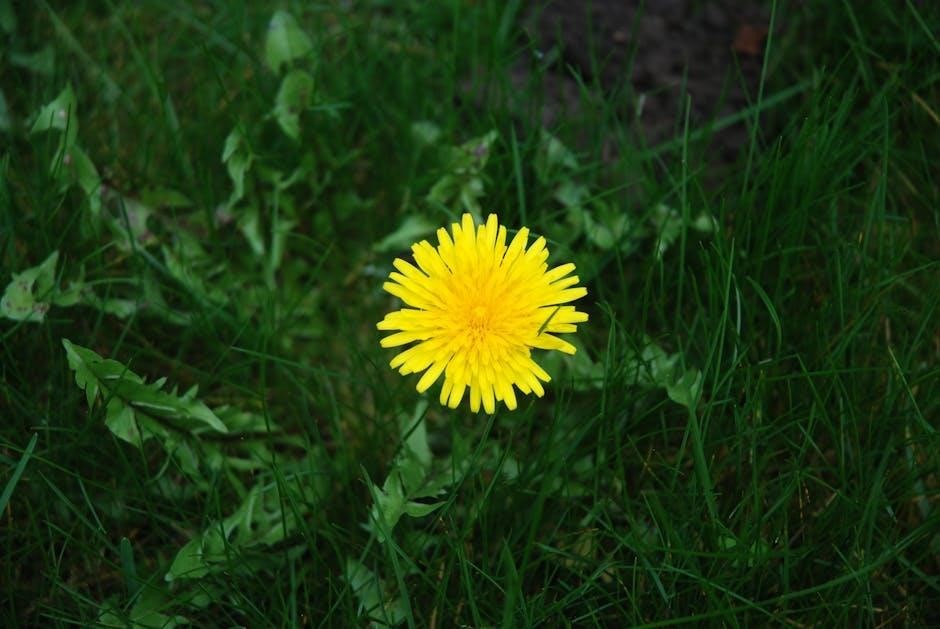
Scotts Weed & Feed is a popular two-in-one lawn care product designed to simultaneously fertilize your lawn and control common weeds. It’s not simply fertilizer; it combines plant food to nourish grass with a herbicide to target and eliminate broadleaf weeds like dandelions and clover; Understanding the specific formulation is key‚ as different products cater to various grass types and weed challenges.
Accessing the correct Scotts Weed & Feed instructions PDF is vital before application. These PDFs detail crucial information‚ including spreader settings‚ application rates‚ safety precautions‚ and what types of weeds the product effectively addresses. Ignoring these instructions can lead to ineffective weed control or even damage to your lawn. Always prioritize reading the PDF before beginning any treatment.
Types of Scotts Weed & Feed Products
Scotts offers a range of Weed & Feed products tailored to different lawn needs and grass types. These include formulations for Southern grasses‚ Northern grasses‚ and specific weed control strengths. Some products focus on crabgrass prevention alongside feeding‚ while others target a broader spectrum of broadleaf weeds. Identifying the correct product for your lawn is the first step.
Each Scotts Weed & Feed variation has a corresponding instructions PDF. These PDFs are not interchangeable! The spreader settings‚ application timing‚ and safety guidelines will vary depending on the specific product. Always download the PDF for the exact Weed & Feed you’ve purchased. You can find these PDFs on the Scotts website or through retailer links‚ ensuring accurate and safe application.

Preparing to Apply Scotts Weed & Feed
Before application‚ consult the product’s PDF instructions for crucial details on lawn assessment‚ grass type compatibility‚ and essential safety precautions.

Assessing Your Lawn’s Needs
Prior to applying any Scotts Weed & Feed product‚ a thorough lawn assessment is paramount‚ and the product’s PDF instructions are your guide. Begin by identifying the types of weeds present – broadleaf‚ grassy‚ or both. Note areas of thin or patchy grass‚ indicating potential nutrient deficiencies.
Consider your grass type; different varieties have varying needs. The PDF will detail which Weed & Feed formulation is suitable. Evaluate the overall health of your lawn; is it generally thriving‚ or struggling? This informs the application rate.
Check for any existing lawn diseases or pest infestations‚ as Weed & Feed won’t address these issues. Finally‚ review the PDF’s recommendations regarding soil pH levels for optimal results. A proper assessment ensures targeted and effective treatment.
Choosing the Right Scotts Weed & Feed for Your Grass Type

Selecting the appropriate Scotts Weed & Feed hinges on your specific grass type; consult the product’s PDF instructions for guidance. Different formulations cater to various grasses – Kentucky Bluegrass‚ Fescue‚ Zoysia‚ and more. Using the wrong product can damage your lawn.
The PDF will clearly state which grass types each product is designed for. Some Weed & Feed options are formulated for Southern grasses‚ while others suit Northern varieties. Pay close attention to this detail.
Consider whether you need a product with crabgrass prevention‚ or one focused solely on broadleaf weed control. The PDF will outline these features. Always prioritize matching the product to your grass type for optimal results and a healthy‚ vibrant lawn.
Safety Precautions Before Application
Prior to applying Scotts Weed & Feed‚ thoroughly review the product’s PDF instructions for crucial safety guidelines. Wear appropriate protective gear‚ including gloves and eye protection‚ to avoid skin and eye irritation. Keep children and pets away from the treatment area during and after application‚ as specified in the PDF.
Always read and understand all warning statements on the packaging and within the PDF document. Avoid applying Weed & Feed before anticipated rainfall‚ as runoff can contaminate waterways. Store the product securely‚ out of reach of children and animals‚ following the PDF’s storage recommendations.
Proper preparation and adherence to safety protocols‚ detailed in the PDF‚ are essential for responsible lawn care and protecting your family and the environment.

Step-by-Step Application Instructions
The Scotts Weed & Feed PDF provides detailed guidance on spreader calibration‚ application techniques‚ and overlapping passes for uniform coverage of your lawn.
Calibrating Your Spreader
Proper spreader calibration‚ detailed within the Scotts Weed & Feed PDF instructions‚ is paramount for even product distribution and optimal lawn results. Begin by referencing the recommended settings on the product packaging‚ correlating to your specific spreader type – either drop or rotary.
Before applying to the entire lawn‚ perform a calibration test. Measure a known area‚ apply a measured amount of Weed & Feed using the suggested setting‚ and evaluate coverage. Adjust the setting as needed to achieve the recommended application rate per square foot‚ as outlined in the PDF.
Consistent calibration prevents over-application‚ which can cause lawn burn‚ and under-application‚ leading to ineffective weed control. The PDF often includes visual aids and troubleshooting tips for accurate calibration‚ ensuring a healthy and vibrant lawn.
Applying Scotts Weed & Feed: A Detailed Walkthrough
The Scotts Weed & Feed PDF provides a step-by-step application guide‚ emphasizing consistent walking speed and even distribution. Begin by ensuring your lawn is slightly damp‚ but not saturated. Fill your calibrated spreader with the product‚ following safety precautions detailed in the PDF.
Apply in a circular or parallel pattern‚ slightly overlapping each pass to avoid striping‚ as illustrated in the PDF’s diagrams. Maintain a consistent walking pace for uniform coverage. Avoid applying on windy days to prevent drift onto non-target areas.
Pay close attention to edges and corners‚ ensuring complete coverage. The PDF will specify any areas to avoid‚ such as flowerbeds or sensitive plants‚ guaranteeing a healthy and weed-free lawn.
Overlapping Passes for Even Coverage
The Scotts Weed & Feed PDF stresses the importance of overlapping passes to achieve uniform product distribution and prevent unsightly streaks. Overlap each pass by approximately 6 inches to 1 foot‚ ensuring no areas receive too little or too much product.
This technique‚ clearly demonstrated in the PDF’s illustrations‚ compensates for any slight variations in walking speed or spreader calibration. Consistent overlap guarantees complete weed control and even fertilization across the entire lawn.
The PDF also advises against turning sharply at the ends of rows‚ as this can lead to uneven application. Instead‚ lift the spreader during turns and resume application with the next overlapping pass‚ maximizing effectiveness.

Post-Application Care
The Scotts Weed & Feed PDF details crucial post-application steps‚ including watering‚ lawn access restrictions‚ and proper mowing techniques for optimal results.
Watering After Application
The Scotts Weed & Feed product PDF emphasizes the importance of watering immediately after application‚ typically within 24 hours‚ to activate the fertilizer and move it into the soil. This watering should be thorough‚ applying approximately ¼ to ½ inch of water across the treated area. Avoid heavy irrigation that could cause runoff‚ potentially carrying the product into waterways.
The PDF also clarifies that watering helps the weed control component bind to weed leaves‚ enhancing its effectiveness. However‚ it’s crucial to check the specific product instructions within the PDF‚ as some formulations may have different watering recommendations. Delaying watering for too long can reduce the product’s efficacy‚ while overwatering might dilute it. Always consult the official Scotts document for precise guidance.
How Long to Keep Off the Lawn
The Scotts Weed & Feed instructions PDF generally recommends keeping people and pets off the treated lawn until the product has fully dried and any granular particles are no longer visible. This typically takes around 24 hours‚ but can vary depending on weather conditions – warmer temperatures and sunlight accelerate drying.
The PDF stresses avoiding contact with treated grass while it’s still moist to minimize potential irritation. It’s also advisable to wear shoes when walking on the lawn shortly after application‚ even if it appears dry. Always prioritize safety and refer to the specific product’s PDF for precise reentry guidelines‚ as formulations can differ. Following these precautions ensures both human and animal well-being.
Mowing After Weed & Feed Treatment
According to the Scotts Weed & Feed instructions PDF‚ it’s generally best to wait at least 6 weeks‚ or after two mowings‚ before applying another lawn product. The PDF details that mowing too soon after application can reduce the fertilizer’s effectiveness‚ as it removes treated grass blades.
When you do mow‚ the PDF advises against bagging the clippings‚ as this removes valuable nutrients back into the soil. Instead‚ leave the clippings on the lawn to act as a natural fertilizer. Always check the specific product’s PDF for tailored mowing recommendations‚ as timing can vary based on the Weed & Feed formulation and your grass type.
Troubleshooting Common Issues
The Scotts Weed & Feed instructions PDF offers solutions for problems like ineffective treatment‚ lawn burn‚ or streaking; consult it for detailed guidance.
Weed & Feed Not Working?
If Scotts Weed & Feed isn’t delivering the expected results‚ the product’s PDF instructions are your first resource. Verify proper application rates – too little won’t control weeds‚ while excessive amounts can harm grass. Check if the product was applied to the correct grass type‚ as formulations differ.
Ensure adequate moisture; the product needs water to activate. Also‚ confirm the weeds present are listed on the product label‚ as not all Weed & Feed products target all weed species. Review the timing of application; some weeds are more susceptible at certain growth stages. The PDF will detail ideal conditions and potential limitations‚ helping diagnose the issue and guide corrective actions for a healthier‚ weed-free lawn.

Addressing Lawn Burn
Lawn burn after Scotts Weed & Feed application often stems from improper use; consult the product’s PDF instructions immediately. Over-application is a primary cause‚ so verify spreader calibration and application rates. Insufficient watering after application exacerbates the issue‚ as the fertilizer can scorch the grass.
The PDF will outline recommended watering schedules. If burn occurs‚ thoroughly water the affected area to dilute the fertilizer. Avoid further applications until the grass recovers. Severe burn may require reseeding. The instructions detail preventative measures and recovery steps‚ emphasizing the importance of following guidelines to minimize damage and restore lawn health. Always prioritize safety and proper usage.
Dealing with Fertilizer Streaks
Fertilizer streaks indicate uneven application of Scotts Weed & Feed; the product’s PDF instructions emphasize consistent coverage. These streaks often result from improper spreader calibration or overlapping passes. Refer to the PDF for precise calibration settings based on your spreader model.
To remedy streaks‚ lightly water the entire lawn to dissolve and redistribute the fertilizer. Avoid heavy watering‚ which could wash away the product. For persistent streaks‚ a second‚ light application – carefully calibrated – may be necessary‚ following the PDF’s guidance. Consistent‚ overlapping passes‚ as detailed in the instructions‚ are key to preventing future streaking and ensuring uniform lawn nourishment.
Finding Scotts Weed & Feed Instructions PDF
Accessing the Scotts Weed & Feed PDF is simple through the official Scotts website or authorized retailer pages‚ providing detailed application guidance.
Official Scotts Website Resources
The Scotts website serves as the primary hub for all official product information‚ including readily available PDF versions of their Weed & Feed instructions. Navigating to the Scotts website allows users to directly download the most current guidelines tailored to their specific product. You can typically find these resources by searching for the product name or number within the “Support” or “Product Information” sections.
Scotts frequently organizes its PDF documents by product line and year of manufacture‚ ensuring you access the correct instructions for your purchase. These PDFs often include detailed application rates‚ safety precautions‚ and troubleshooting tips. Furthermore‚ the website provides FAQs and video tutorials that complement the written instructions‚ offering a multi-faceted approach to understanding proper application techniques. Utilizing these official resources guarantees you’re following the manufacturer’s recommendations for optimal results and lawn health.
Third-Party Retailer PDFs
Many major retailers that sell Scotts Weed & Feed‚ such as Home Depot‚ Lowe’s‚ and Amazon‚ often host PDF versions of the product instructions on their websites. These PDFs are typically found on the product detail pages‚ often under a “Resources” or “Downloads” section. While convenient‚ it’s crucial to verify the PDF’s date to ensure it corresponds to your specific product version‚ as formulations can change over time.
Comparing the retailer-provided PDF with the official Scotts documentation is a prudent step to confirm accuracy. Occasionally‚ discrepancies may exist due to updates or variations in packaging. Always prioritize the instructions directly from Scotts if any conflicts arise. These retailer PDFs offer a quick alternative when immediate access to the instructions is needed‚ but verifying their authenticity remains essential for safe and effective application.

Environmental Considerations
PDF instructions detail responsible application‚ minimizing waterway impact and prioritizing pet/child safety; always follow guidelines for eco-conscious lawn care practices.
Impact on Waterways
Scotts Weed & Feed PDF instructions emphasize minimizing runoff to protect local waterways. The documents detail proper application techniques‚ stressing the importance of avoiding over-fertilization and application before anticipated heavy rainfall. These precautions are vital‚ as fertilizer components can contribute to nutrient pollution in streams‚ rivers‚ and lakes‚ leading to algal blooms and harming aquatic ecosystems.
PDF guides often recommend sweeping up any spilled product immediately to prevent it from being washed into storm drains. They also advise against applying near bodies of water or drainage areas. Understanding these guidelines‚ clearly outlined in the downloadable PDFs‚ is crucial for environmentally responsible lawn care and safeguarding water quality for both human and wildlife use.
Pet and Child Safety
Scotts Weed & Feed PDF instructions consistently prioritize the safety of pets and children. These documents clearly state that treated areas should be kept off-limits to both until the product has fully dried and watered in‚ typically 24 hours. The PDFs emphasize storing the product securely‚ out of reach of children and animals‚ in its original container.
Detailed warnings regarding potential ingestion or contact are included‚ advising immediate veterinary or medical attention if necessary. The guides also recommend thoroughly washing hands after application and preventing pets from consuming grass clippings for a period after treatment. Adhering to these safety measures‚ detailed within the downloadable PDFs‚ ensures responsible product use and minimizes potential risks.
Don’t let weeds ruin your beautiful Canadian lawn! Get the official Scott’s Weed & Feed instructions PDF & unlock a lush, green space. Simple steps for a perfect yard!